Introduction
The UFC has long been recognized as the gold standard in MMA. With its global reach, elite production value, and deep roster of talent, it elevated mixed martial arts from niche combat sport to mainstream entertainment. But behind the spectacle lies a growing disconnect between the promotion and the athletes who help build its empire. In recent years, we’ve witnessed an alarming pattern: top-tier fighters walking away, prospects being discarded, matchmaking driven by marketability instead of merit, and champions being erased from history the moment they stand up for themselves. These aren’t isolated incidents, they’re symptoms of a deeper issue. As the UFC doubles down on control, branding, and short-term profits, it may be losing what made it truly great: its ability to showcase and support the very best fighters on Earth.
Cédric Doumbé: A Missed Opportunity
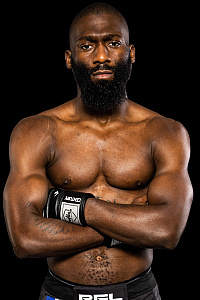
Cédric Doumbé, arguably France’s most popular fighter in recent years, never made it to the UFC despite an elite kickboxing résumé and massive star potential. The UFC’s unwillingness to offer him more than the base pay reserved for unproven prospects was a strategic blunder. Doumbé wasn’t just another fighter—he had charisma, skill, and a loyal fan base. Many saw him as a potential megastar, possibly even reaching the levels of a prime Conor McGregor. The decision to let such a high-caliber athlete slip through their fingers reflected a lack of vision and respect for established talent.
Artem Vakhitov: A Case of Underappreciated Greatness
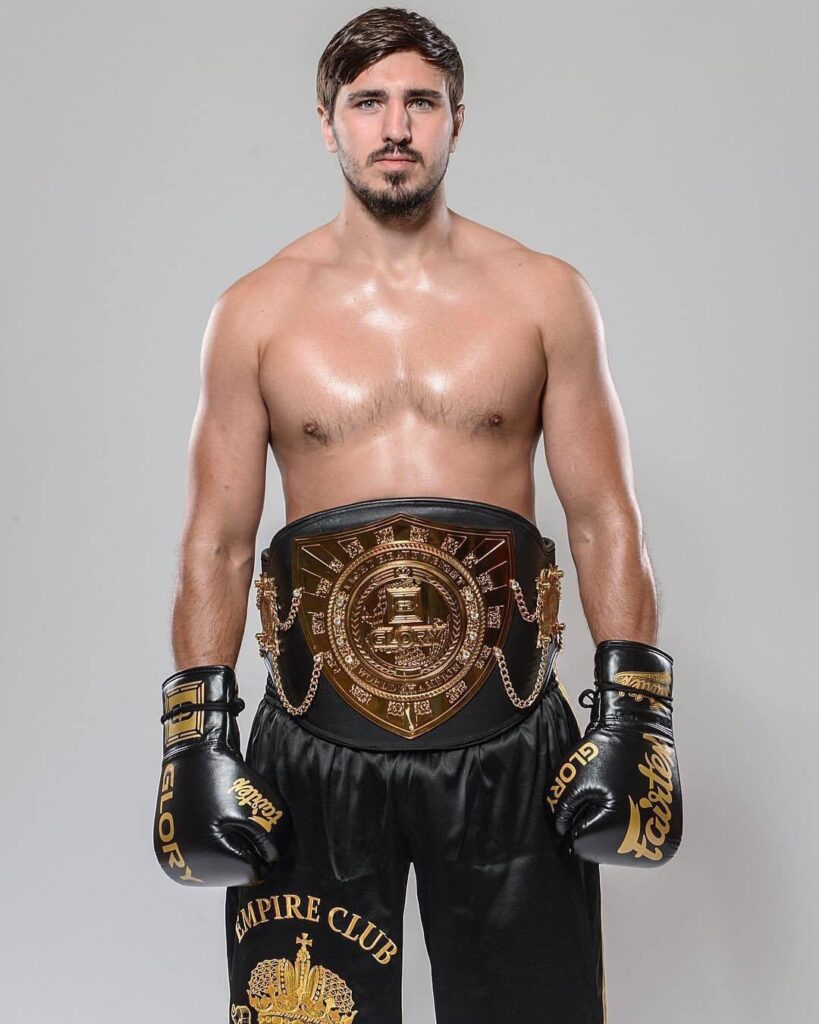
Artem Vakhitov, another elite striker and former Glory champion, suffered a similar fate. Even after winning a Contender Series bout by knockout, the UFC couldn’t offer him a contract that matched his status or earning potential outside the organization. The missed opportunity to build a rivalry with Alex Pereira, who also came from Glory kickboxing, highlights just how little the UFC prioritized talent over cost. A Vakhitov vs. Pereira trilogy inside the Octagon could have been a legendary chapter in UFC history, but instead, it remains a “what if.”
Saladin Parnasse: The Ignored Double Champ
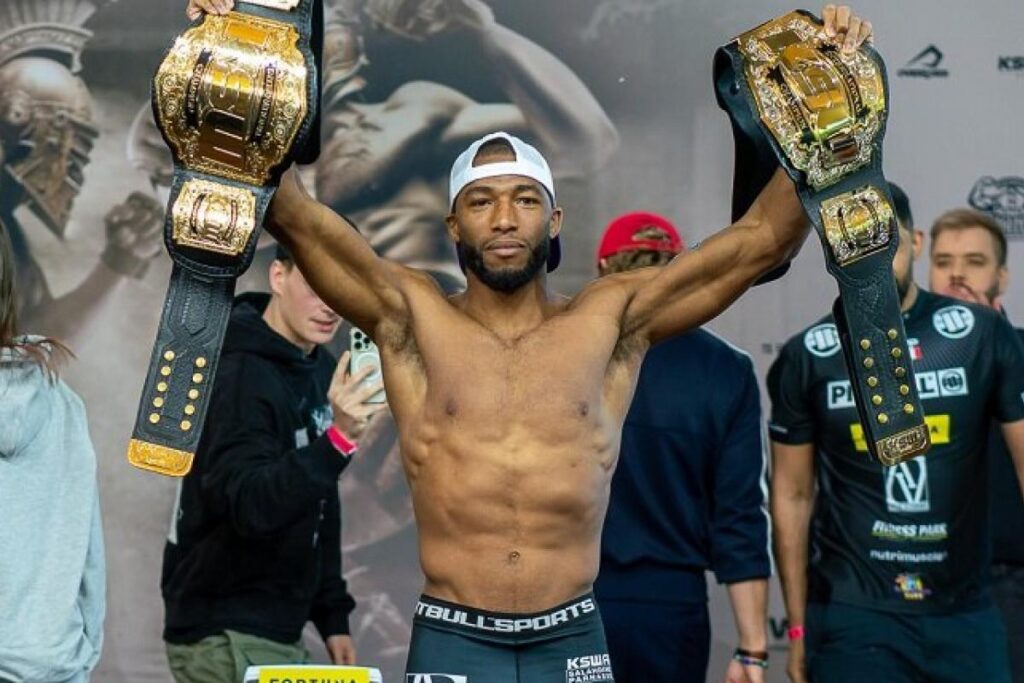
Saladin Parnasse, a double champion in KSW and widely considered one of the best featherweights and lightweights outside the UFC, was also left behind. Despite his exceptional record (20-2) and his pursuit of a historic triple championship, the UFC showed little interest. Parnasse chose stability and respect at KSW over an uncertain and underpaid journey with the UFC. His absence is a glaring reminder that the best fighters don’t always make it to the biggest stage, especially if that stage refuses to meet them halfway.
The Mokaev Situation: Talent Meets Turmoil
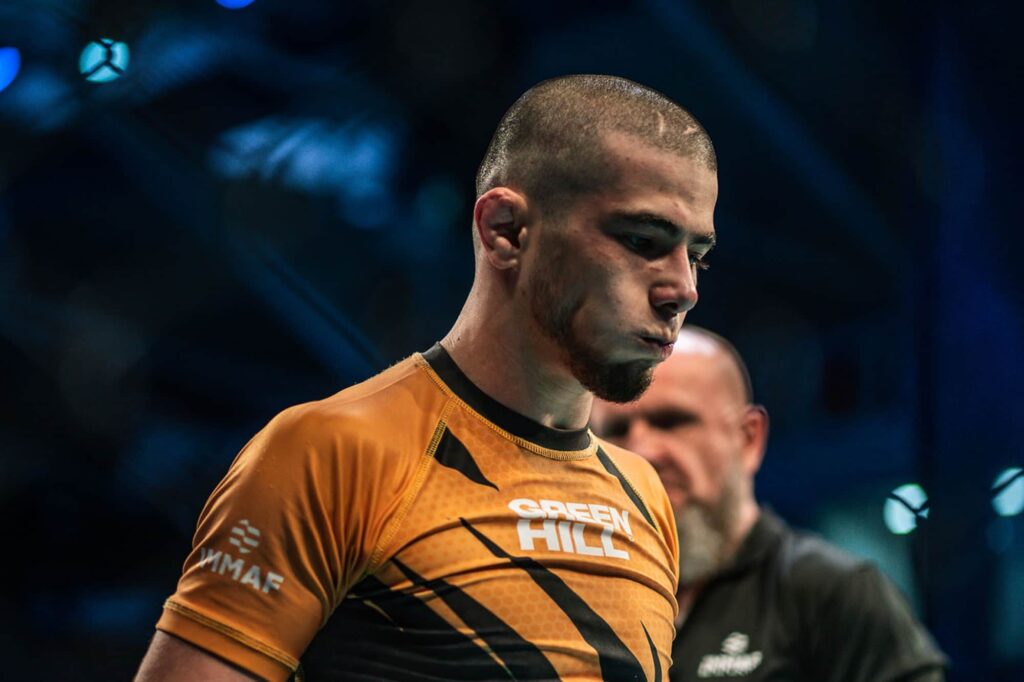
Muhammad Mokaev’s story is complicated. An undefeated Dagestani prospect with undeniable talent, he found himself cut from the UFC after multiple behind-the-scenes issues. Accusations of disrespecting UFC staff, lackluster performances, and a violent post-photo altercation with Manel Kape all painted a problematic picture. Yet, many argue the punishment was overly severe. At just 22 years old, Mokaev was still maturing, and cutting him entirely may have closed the door on one of the sport’s most promising futures. Now, with no home and no major promotion willing to touch him, the UFC’s decision, fueled by frustration and pride, could ultimately squander a generational talent.
Francis Ngannou: Power vs. Politics
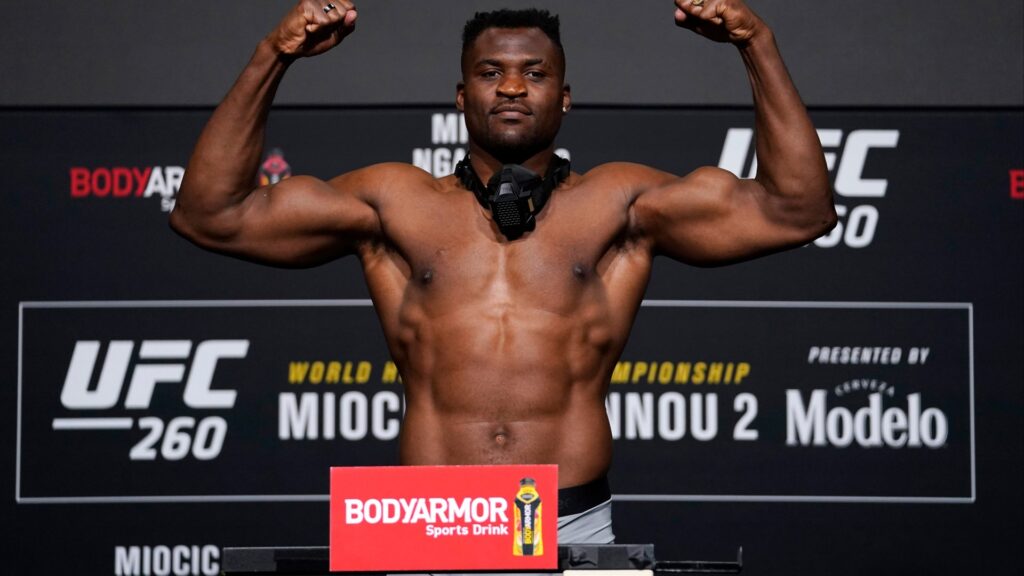
The fallout between Francis Ngannou and the UFC has become one of the sport’s most infamous sagas. Despite becoming heavyweight champion in 2021, Ngannou was sidelined when the UFC created an interim title to pressure him into a fight he didn’t want. What he wanted was clear: a legacy bout against Jon Jones. But with only one fight left on his contract, the UFC wasn’t willing to risk Ngannou winning and walking away. Their solution was to make an unnecessary interim title fight in order to force Ngannou into a unification bout between the winner of Cyril Gane vs Derrick Lewis, which Gane ended up winning. After defending his belt against Ciryl Gane, Ngannou left the UFC and began writing his own story, earning more money, gaining creative control, and even finding success in boxing and PFL. The UFC’s response? Erasing him from their records and history books. The message was clear: defiance would be punished. But in doing so, they may have alienated a wave of fighters who see Ngannou as proof that there’s power outside the Octagon. Ngannou proved his value outside of Dana White’s empire. His courage exposed the UFC’s obsession with control over competition.
2024-2025: The Rise of Favoritism
Recent UFC title shots have increasingly raised eyebrows. Decisions based more on marketability or narratives than merit have damaged the sport’s competitive integrity.
1. Marlon Vera
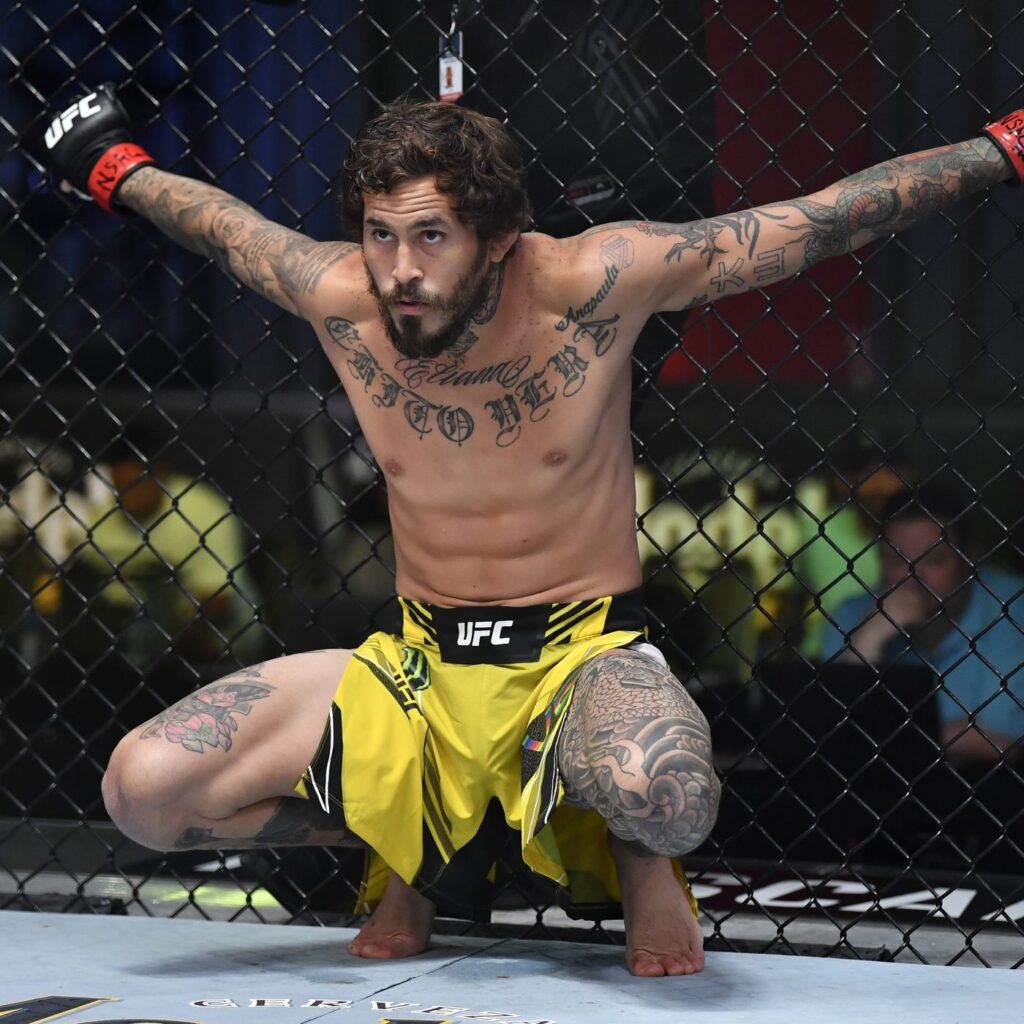
In early 2024, the UFC controversially gave Marlon “Chito” Vera a bantamweight title shot despite being on just a one-fight win streak. Far more deserving contenders like Merab Dvalishvili — who had a dominant run and eventually became champion, or even Cory Sandhagen, were completely bypassed. The UFC prioritized the personal history between Vera and then-champion Sean O’Malley (stemming from O’Malley’s only career loss due to injury) over actual rankings or merit. It was a clear case of storytelling over sport, and the fight played out exactly as expected, with O’Malley dominating a challenger many believed was only there to settle a narrative.
2. Steve Erceg
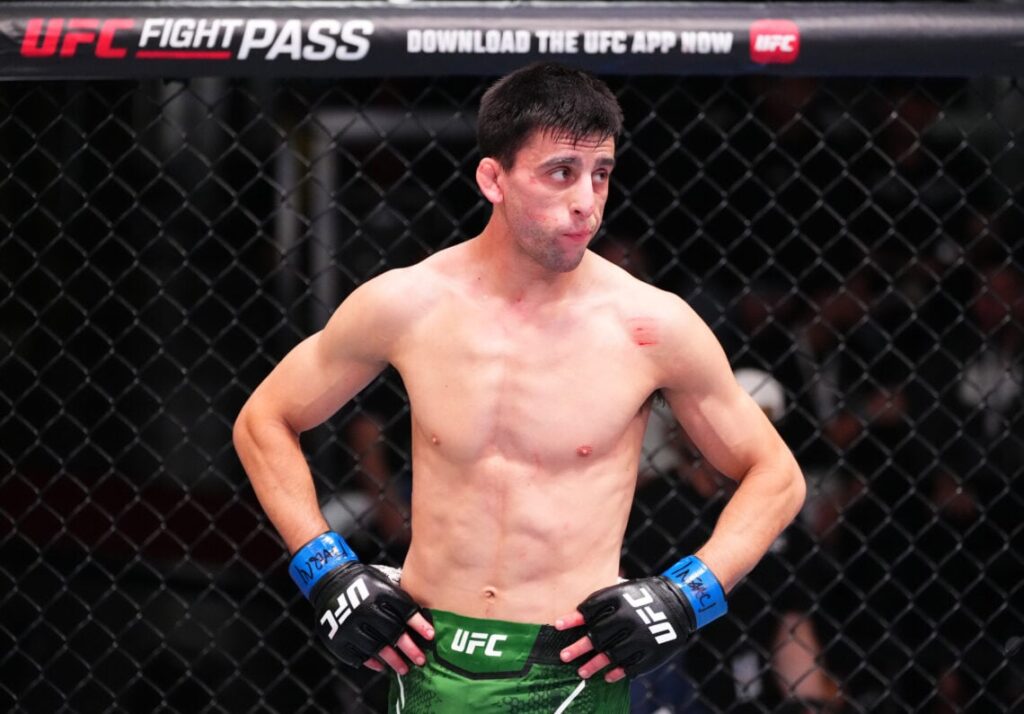
Ranked #11 at the time, Steve Erceg received a title shot in a flyweight division that had no shortage of proven contenders. Though active and promising, Erceg was still new to the UFC and had done little to justify a title opportunity, especially over more established names. His performance proved he wasn’t ready, and his subsequent loss further underlined that he was pushed too soon. This case reinforced a growing pattern in the UFC: favoring marketability and convenience over fair competition.
3. Israel Adesanya
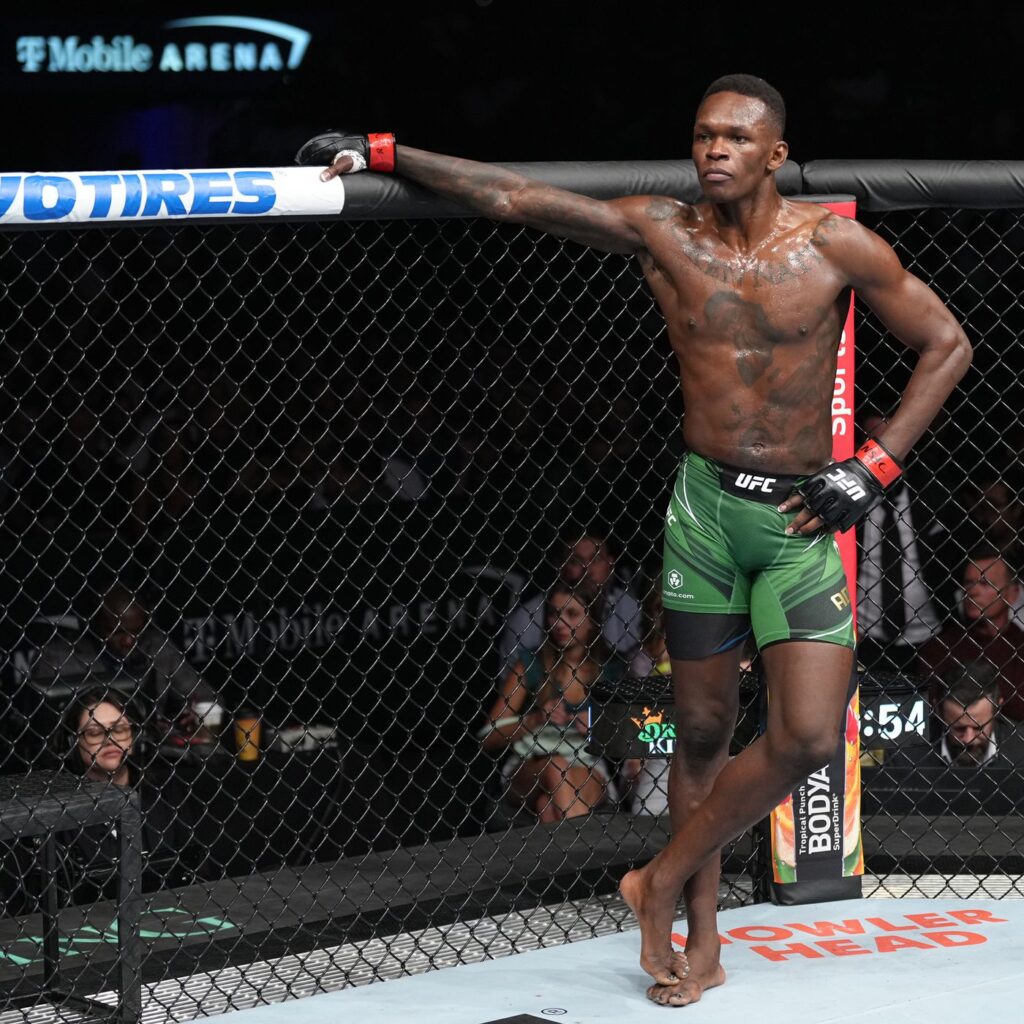
There’s no denying Izzy’s legacy. a brilliant striker who gave fans unforgettable moments by knocking out feared contenders and reclaiming his belt from Alex Pereira. But after losing to Pereira, then again to Sean Strickland, Adesanya was gifted another title shot despite having just one win in his last three. The UFC banking on his popularity and past accomplishments rather than current form didn’t pan out, as he lost again. While fans didn’t protest much due to his stature in the sport, the favoritism was obvious. The UFC put profits over merit, hoping Izzy’s name would sell and it backfired.
4. Khalil Rountree
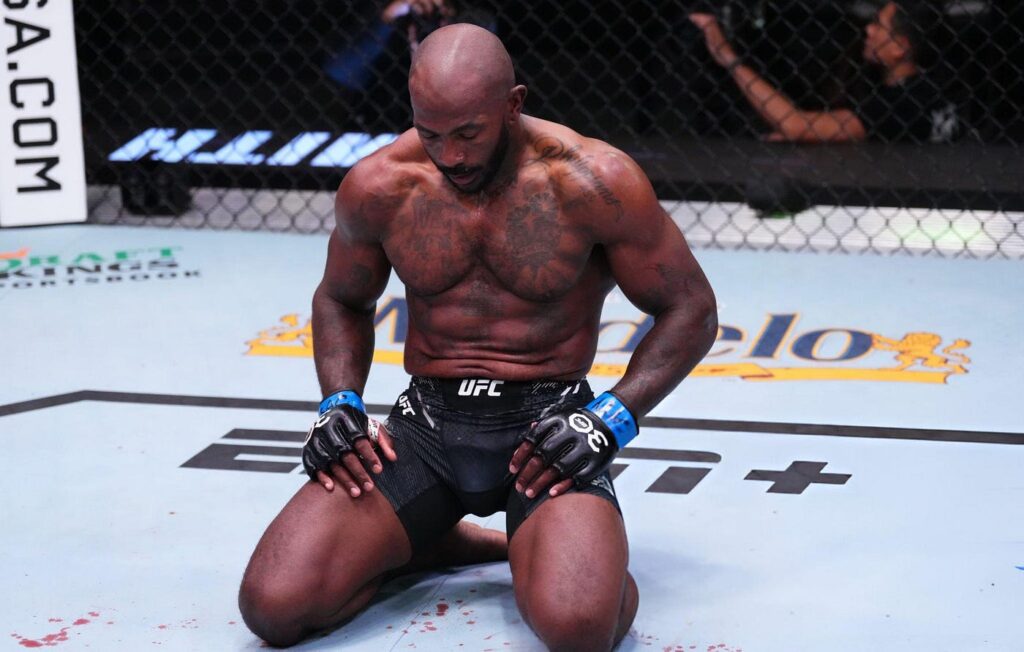
Despite Magomed Ankalaev being the clear #1 contender at light heavyweight and eventually becoming champion, the UFC gave the shot to #8-ranked Khalil Rountree. While Rountree had a decent streak, none of the names he beat were elite. Meanwhile, Ankalaev had beaten opponents who had previously knocked out Rountree. The UFC seemed to be protecting Alex Pereira from a stylistic nightmare in Ankalaev by feeding him a favorable matchup in Rountree. But once again, the plan collapsed. Pereira still won, but Rountree made him look vulnerable, and then Ankalaev stepped in and took the belt anyway.
5. Stipe Miocic
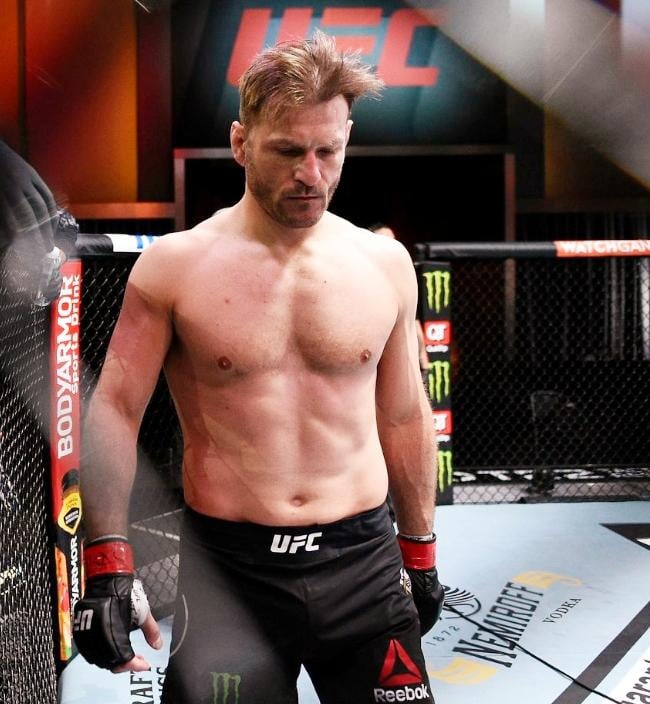
Stipe is a heavyweight legend and arguably the division’s GOAT with three title defenses. But giving him a title shot at 42, after three years of inactivity and coming off a brutal KO loss to Francis Ngannou in 2021, was unjustifiable by competitive standards. It was a setup: the UFC’s transparent attempt to build Jon Jones’ heavyweight legacy by having him beat a fading icon. Meanwhile, the actual interim champ, Tom Aspinall, was completely sidelined, a luxury never offered to Ngannou when he held the belt. Stipe hadn’t fought in three years, was clearly in semi-retirement, and yet the UFC refused to strip Jones or force him to defend against Aspinall. The favoritism was glaring, and it underscored how much the UFC prioritizes narratives and loyalty over merit especially when it comes to stars they don’t fully control, like Ngannou.
6. Manel Kape
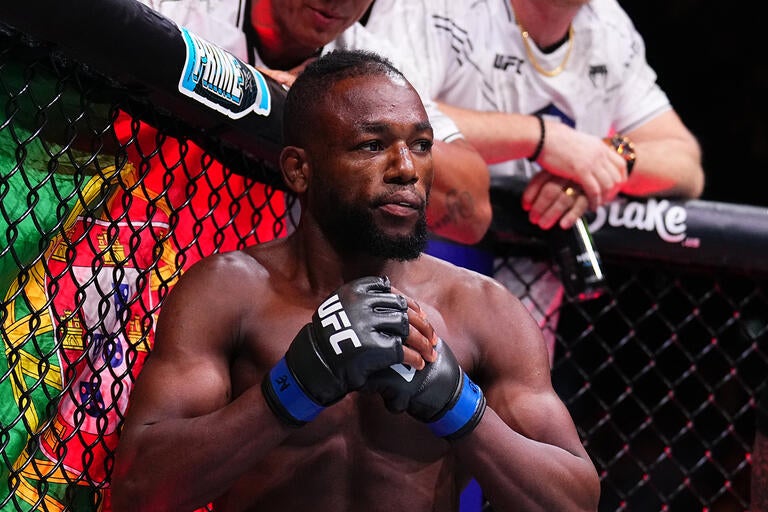
Manel Kape has been quietly stacking wins and finishes since joining the UFC, with his most recent performances including two back-to-back TKOs over Bruno Silva and the previously undefeated Asu Almabayev. Despite this, Kape remains overlooked for a title shot. Ironically, Kai Asakura, whom Kape knocked out in RIZIN, made his UFC debut last year and was immediately given a title fight against Pantoja. The result? Asakura got submitted in the second round, and Kape watched it all from the sidelines. Even more frustrating, Kape’s only recent loss was a close decision against Muhammad Mokaev, a far more credible opponent than the ones given title opportunities. It’s a brutal reminder that in the UFC, timing, marketability, and narrative often trump skill, resume, and merit.
Giving the Shot to O’Malley Instead of Petr Yan (2025)
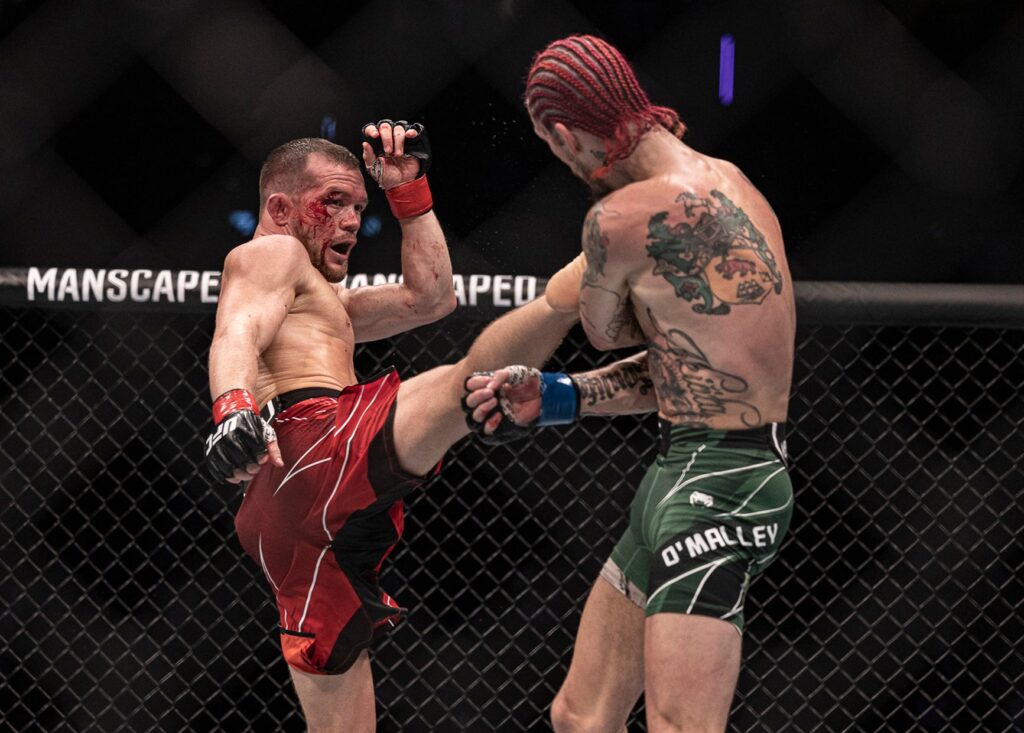
We’re now in 2025, and looking back, it’s hard not to shake your head at how Sean O’Malley’s rise to the top was handled. Let’s rewind. O’Malley fought Petr Yan in 2023 and won via decision, a decision so controversial that only the three judges at cageside seemed to agree with it. Fans, fighters, and analysts alike saw Yan as the clear winner, but that didn’t stop the UFC from pushing O’Malley forward.
Instead of an immediate title shot, O’Malley waited almost a year and finally got his chance against an injured Aljamain Sterling. Sterling had just defended his title against Henry Cejudo three months prior, a fight that took a clear toll on his body. Despite voicing his concerns about fighting so soon, Aljamain was ignored and publicly criticized by Dana White, who claimed Sterling shouldn’t be promoting fights by talking about his physical condition.
The result? A clearly compromised Sterling got knocked out by O’Malley in the second round, and O’Malley became champion under one of the most questionable circumstances in recent memory. His first title defense came against Marlon Vera, a fighter widely considered unworthy of the shot and someone the UFC knew O’Malley would beat, especially given that Vera’s original win over him came due to injury, not dominance.
Then came Merab Dvalishvili, who made O’Malley look like an amateur for five rounds. He rag-dolled the champ, even went as far as kissing his back during a takedown, making a mockery of what was supposed to be a competitive title fight. But guess what? O’Malley’s getting another shot at UFC 316. The UFC’s obsession with “Sugar” continues, and only time will tell if karma, in the form of Merab, will finally break the cycle.
Not Announcing Jon Jones vs Tom Aspinall
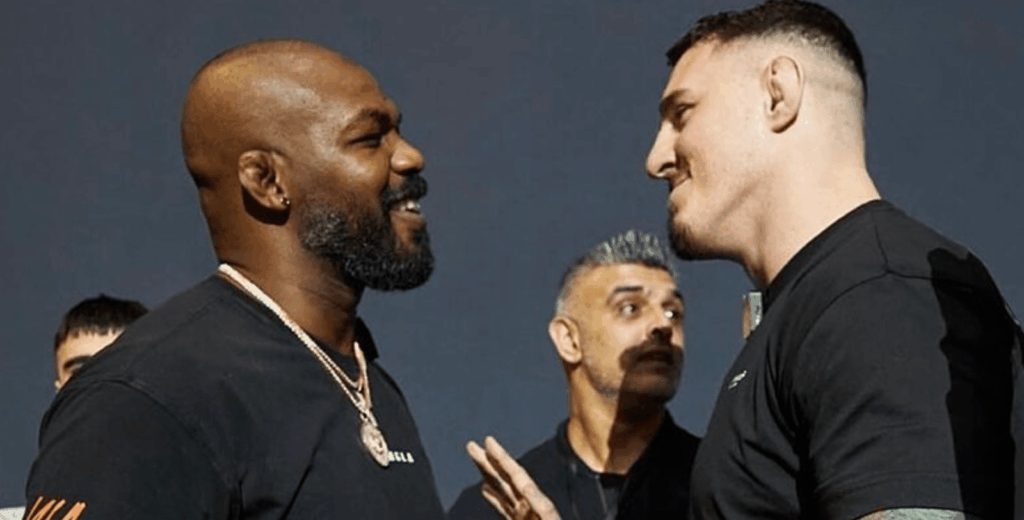
Jon Jones finally returned after a long injury layoff and beat Stipe Miocic. That’s all good, but what followed was downright frustrating. Instead of unifying the title with interim champ Tom Aspinall, Jones dismissed him entirely. At first, Jon wanted a super fight with Alex Pereira, but that plan fell apart when Pereira lost his belt to Magomed Ankalaev.
With Pereira off the table, the logical fight was Aspinall. But Jones hesitated, questioning Aspinall’s name value. Prior to the Stipe fight Jon even implied that Curtis Blaydes would beat him. Aspinall answered that with a brutal TKO over Blaydes in under 90 seconds, defending the interim belt in dominant fashion.
Now, fans are stuck wondering: why isn’t the UFC forcing the unification? They had no problem making Francis Ngannou unify with Ciryl Gane back in the day. So why is Jones being allowed to stall? The longer it drags out, the worse it looks for both the UFC and the legacy of Jon Jones.
Not announcing Topuria vs Islam
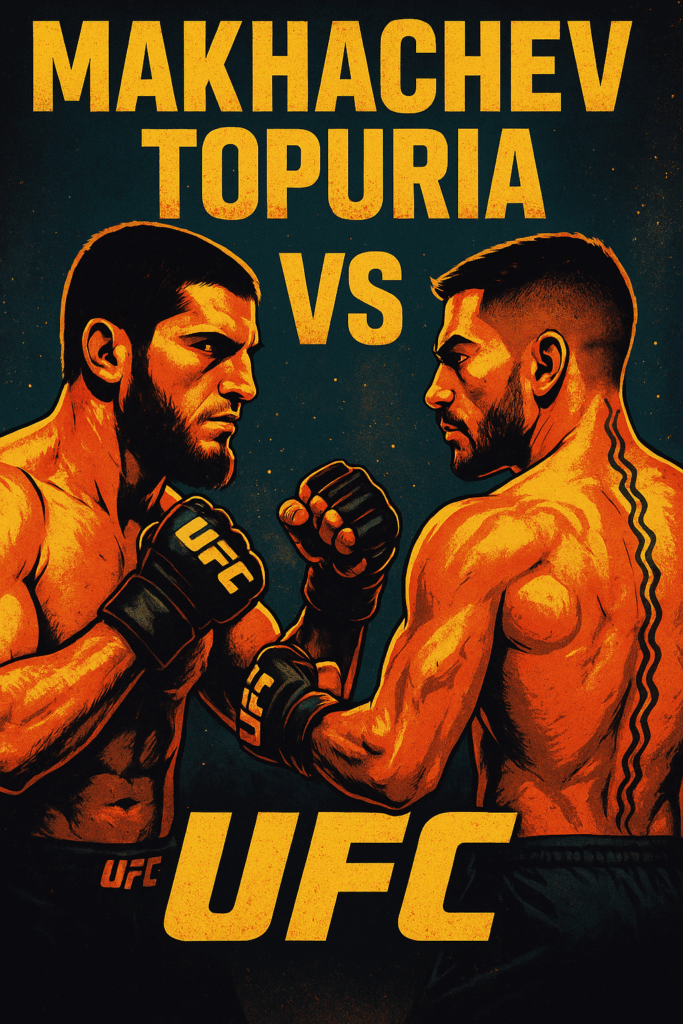
Ilia Topuria vs Islam Makhachev should be the fight right now. It’s electric. The beef is real, potentially fueled by the Russia vs Georgia geopolitical tension, and the skills match up perfectly. After defending his featherweight title once, Topuria relinquished his belt to move up, he wanted Islam that badly.
And he earned it. In 2024, Topuria had back-to-back KOs over Alexander Volkanovski and Max Holloway, feats no one else has accomplished. Meanwhile, Justin Gaethje, the other potential contender, is coming off just one win and was KOd by Holloway before that.
Islam vs Topuria makes all the sense in the world, but the UFC hasn’t announced it. Despite Topuria saying he was promised the shot in exchange for vacating, we’re still waiting. Will the UFC go with Gaethje instead? History tells us they just might.
Not Giving Evloev the Title Shot, Giving It to Diego Lopes
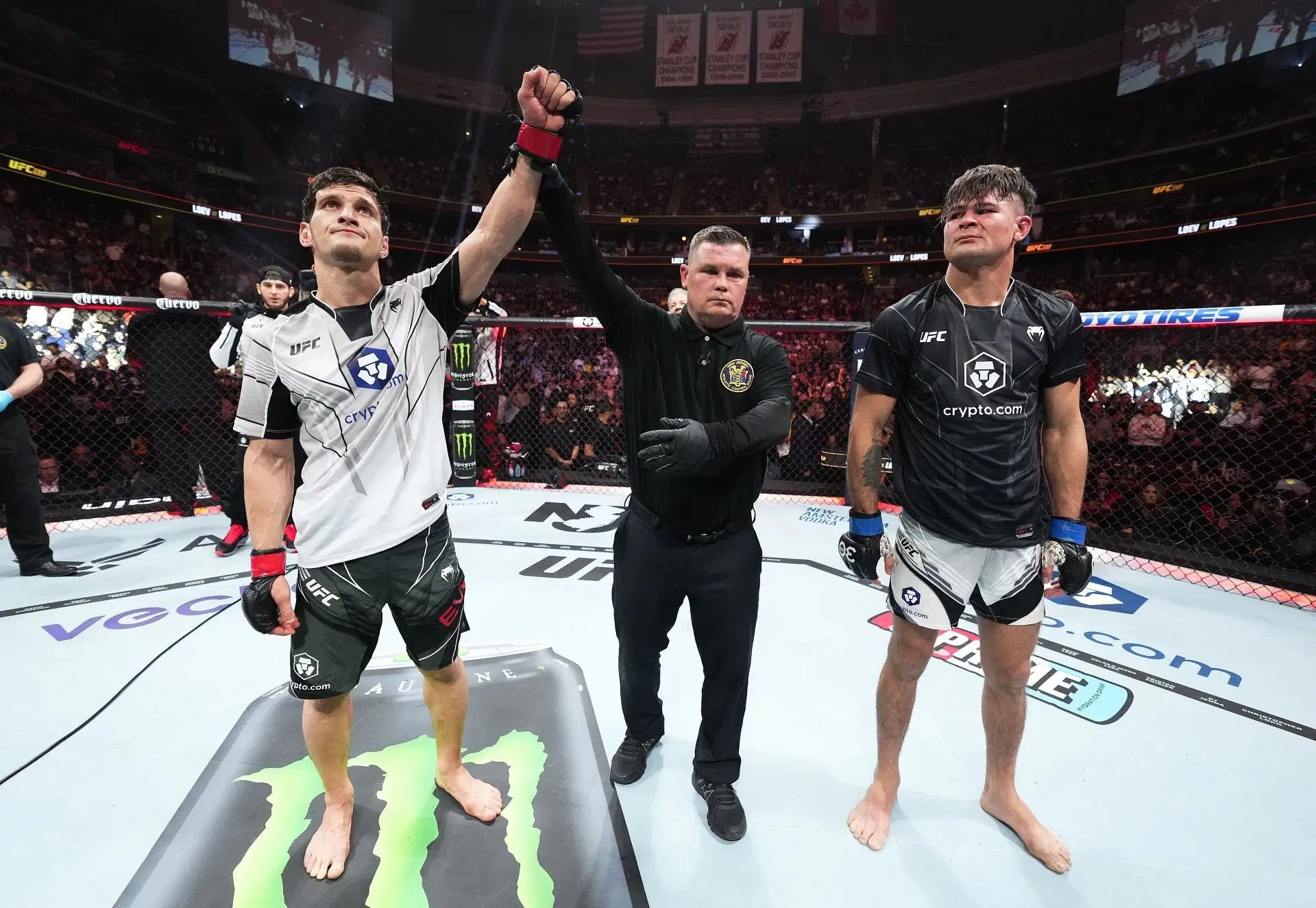
Movsar Evloev remains one of the most consistent and dominant forces in the featherweight division. Undefeated and riding a long winning streak, Evloev had already beaten Diego Lopes when Lopes made his UFC debut. Yet, despite that head-to-head result and Evloev’s continued success, it was Lopes who was given the title opportunity at UFC 314.
Lopes gained traction due to his aggressive style and marketable personality, but when he faced Alexander Volkanovski for the title, he came up short in a clear unanimous decision loss. Meanwhile, Evloev remains sidelined from the title picture, even though he had previously bested the man given the opportunity. The situation highlights a growing disconnect between performance and reward in the UFC’s matchmaking.
Giving Strickland the Shot Instead of Khamzat
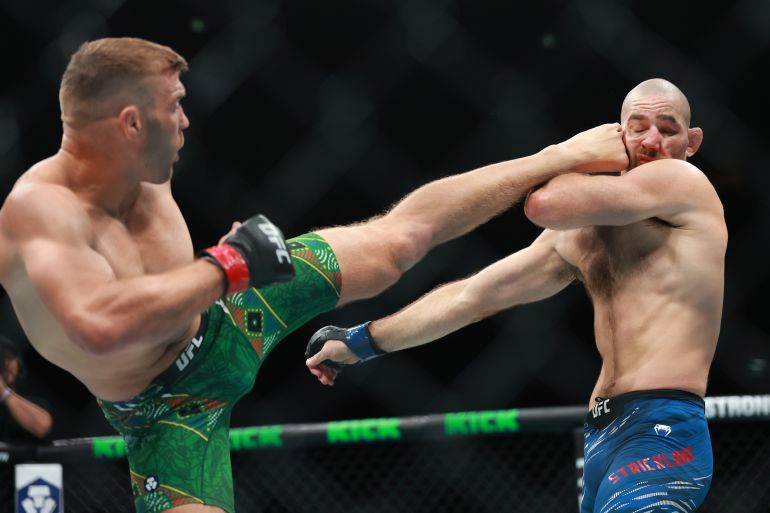
After dismantling Robert Whittaker, something no one had done like that, Khamzat Chimaev seemed destined for a title shot. Instead, the UFC gave Sean Strickland a rematch against Dricus Du Plessis.
While it wasn’t undeserved, it was far less exciting than Khamzat vs Dricus would’ve been. And the result? A total snoozefest where Dricus dominated. The UFC missed a big opportunity here.
Matching Petr Yan Against Umar Nurmagomedov
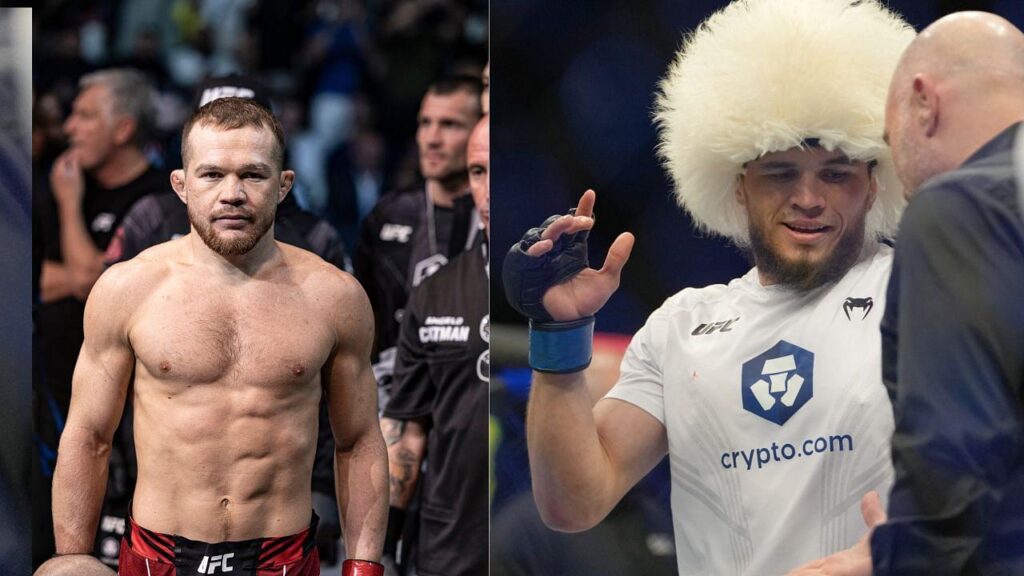
Petr Yan, a former bantamweight champion, has worked his way back into contention through hard-earned wins over elite competition. Despite that, the UFC booked him against Umar Nurmagomedov, a rising contender widely considered one of the most difficult matchups in the division.
Umar had already received a title shot against Merab Dvalishvili and came up short, but his skill set remains among the most dangerous at 135 pounds. Giving Yan such a high-risk, low-reward fight rather than a title shot, especially while Sean O’Malley remains in the title picture, raises questions about how title opportunities are being prioritized. The decision puts Yan’s path back to gold at unnecessary risk. Not to mention that Umar Nurmagomedov vs Sean O’Malley made more sense given that the fact that they’re both coming off losses against Merab Dvalishvili, the winner would’ve earned another shot at the belt. Instead the UFC just gifted the title shot to Sean O’Malley.
Logjams at the Top of Divisions
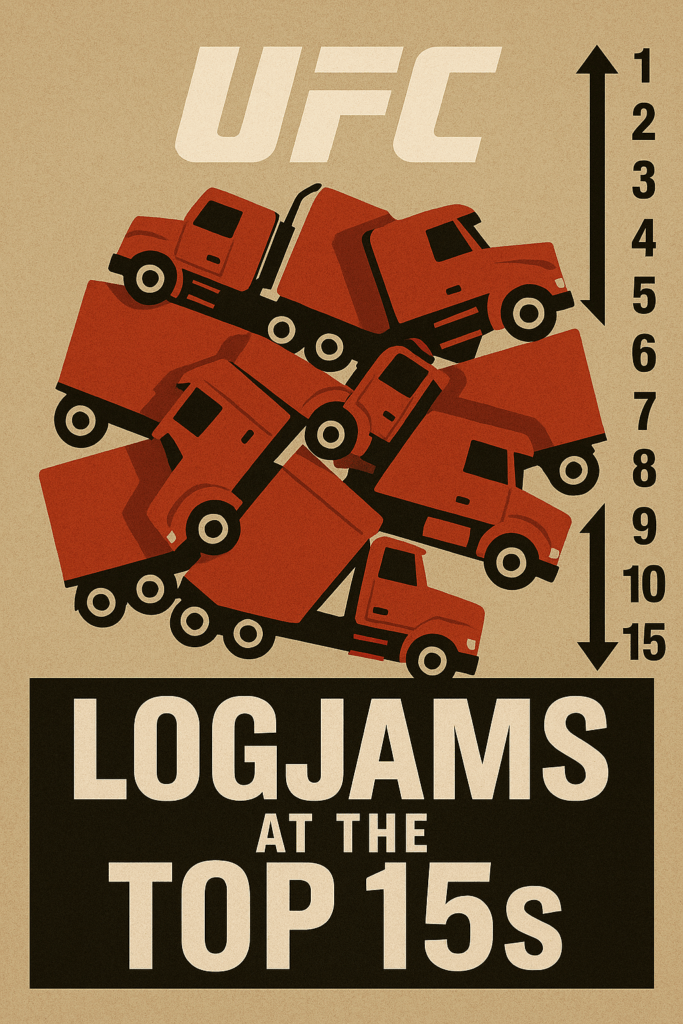
A consistent issue across multiple divisions is the UFC’s unwillingness to prioritize merit. When deserving contenders are passed over for less accomplished but more marketable names, it creates a backlog. Fighters remain inactive, legitimate challenges are delayed, and momentum is lost. The integrity of the competition suffers when divisions are held up by promotional decisions instead of sporting ones.
Poirier vs. Holloway 3
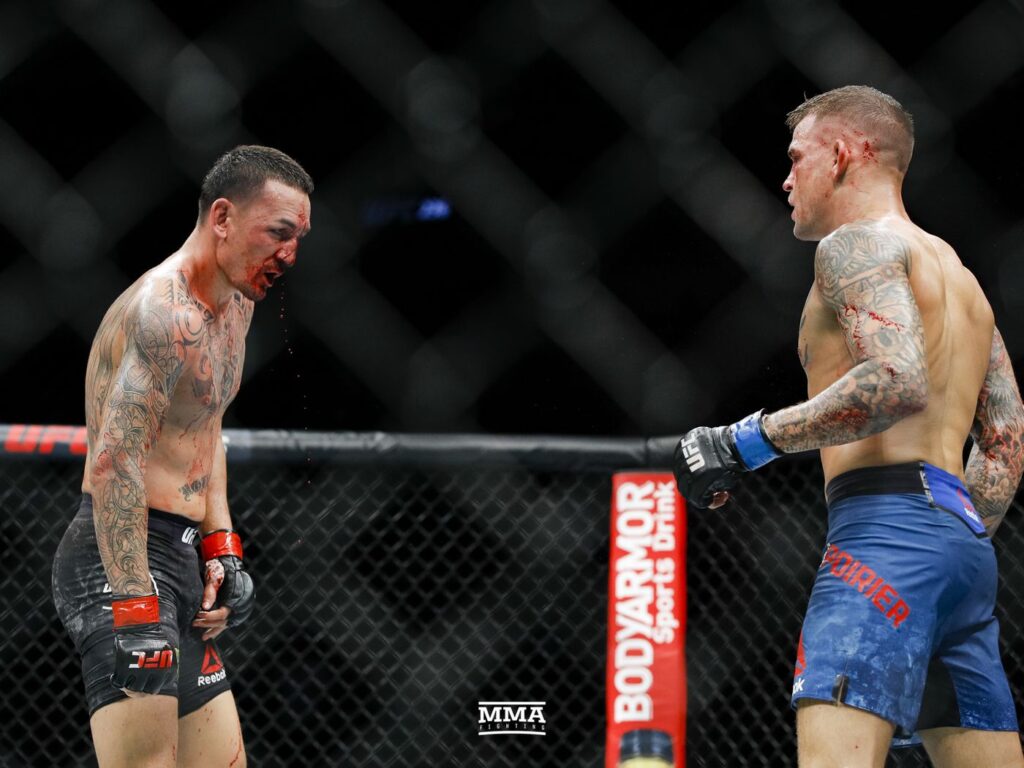
The UFC booking Max Holloway vs. Dustin Poirier for a third time is difficult to justify. Poirier won their first two meetings, and this third fight is reportedly set to be his retirement bout. Asking a fighter to potentially end their career on an unnecessary rubber match they’ve already settled twice is questionable at best.
More meaningful alternatives were available. Dustin Poirier vs. Justin Gaethje 3 would have offered a competitive and fan-friendly trilogy with the series currently tied 1–1. Holloway vs. Charles Oliveira 2 would have brought a fresh rematch with real divisional relevance. Instead, the UFC has chosen a bout with little competitive significance.
UFC Africa: Still Just a Promise
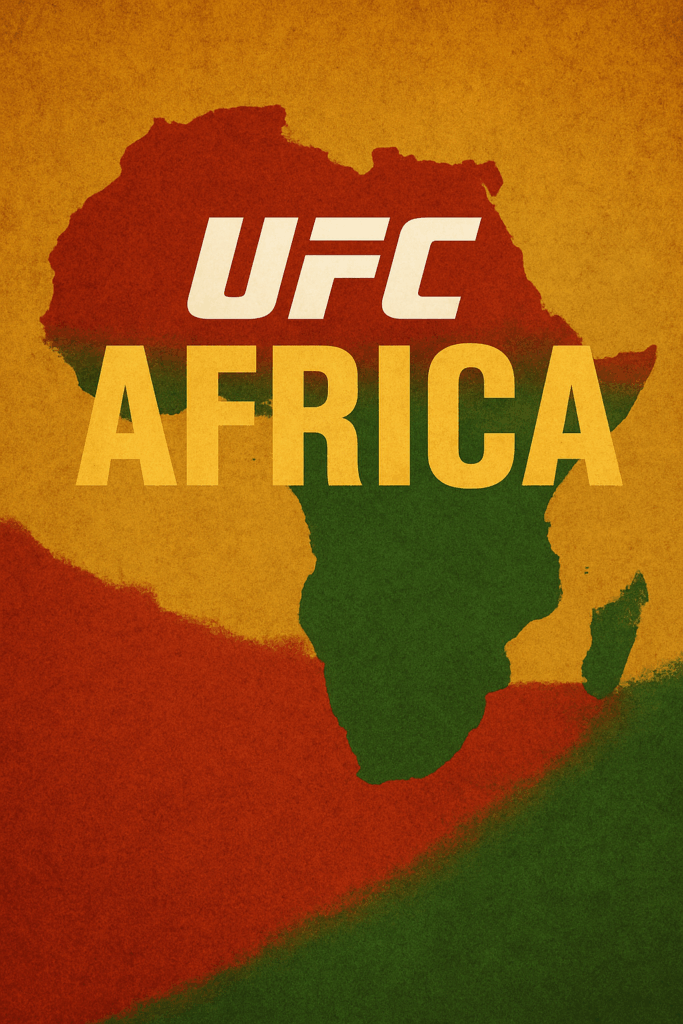
The UFC has been discussing a major event in Africa since at least 2021, when Francis Ngannou became the third African-born champion, joining Kamaru Usman and Israel Adesanya. At that moment, the stage was perfectly set: three champions, one continent, and the opportunity to make history.
Despite multiple promises from UFC President Dana White, including a firm statement in 2024 that the event would happen in 2025, there has been no official date, location, or promotion for the card. It’s now well into 2025, and the silence remains. Given the UFC’s vast resources and global reach, the failure to deliver on this long-teased event stands out. It’s even more shameful when you consider that promoter Don King pulled off The Rumble in the Jungle in 1974, in Zaire, under far more complex and chaotic conditions. And yet, the UFC, which constantly touts itself as the greatest promotional machine in combat sports history, has failed for years to organize a single event on African soil, despite having the money, the stars, and the infrastructure to make it happen.
Conclusion
The UFC remains the most recognized MMA promotion in the world, but recent trends suggest a shift in values from meritocracy to marketability, from fairness to favoritism. By neglecting elite international talent, enforcing double standards, and prioritizing profit over performance, the UFC is alienating fighters and fans alike.
Yet, all is not lost.
The cracks in the system are becoming increasingly visible, and awareness can bring change. If the UFC hopes to maintain its dominance and legacy, it must return to its roots, where the best fought the best, and where greatness wasn’t decided by popularity but by performance. The fighters deserve it. The fans deserve it. And the sport of mixed martial arts deserves better.
The downfall isn’t inevitable, but if left unchecked, the seeds of decline may already be planted.
Sommes-nous en train d’assister à la chute de l’UFC?
Introduction
L’UFC a longtemps été considéré comme la référence ultime en MMA. Avec sa portée mondiale, sa production haut de gamme et son vivier de talents, l’organisation a propulsé les arts martiaux mixtes du statut de sport de niche à celui de divertissement grand public. Mais derrière le spectacle, un fossé grandissant se creuse entre la promotion et les athlètes qui ont contribué à bâtir son empire. Ces dernières années, on a observé un schéma inquiétant : des combattants de premier plan qui s’en vont, des espoirs mis de côté, des affrontements dictés par la rentabilité plutôt que par le mérite, et des champions effacés de l’histoire dès qu’ils osent s’affirmer. Ce ne sont pas des cas isolés, mais les symptômes d’un problème plus profond. À force de privilégier le contrôle, l’image de marque et les profits à court terme, l’UFC risque de perdre ce qui faisait sa grandeur : sa capacité à mettre en avant et à soutenir les meilleurs combattants de la planète.
Cédric Doumbé : Une occasion manquée
Cédric Doumbé, sans doute le combattant français le plus populaire de ces dernières années, n’a jamais intégré l’UFC malgré un palmarès impressionnant en kickboxing et un potentiel de star énorme. Le refus de l’UFC de lui offrir plus que le salaire de base réservé aux débutants fut une erreur stratégique. Doumbé n’était pas un combattant comme les autres : charismatique, talentueux et doté d’une fanbase fidèle. Beaucoup le voyaient comme une future mégastar, capable de rivaliser avec un Conor McGregor à son apogée. Le laisser filer a révélé un manque de vision et de respect pour les talents établis.
Artem Vakhitov : Un talent sous-estimé
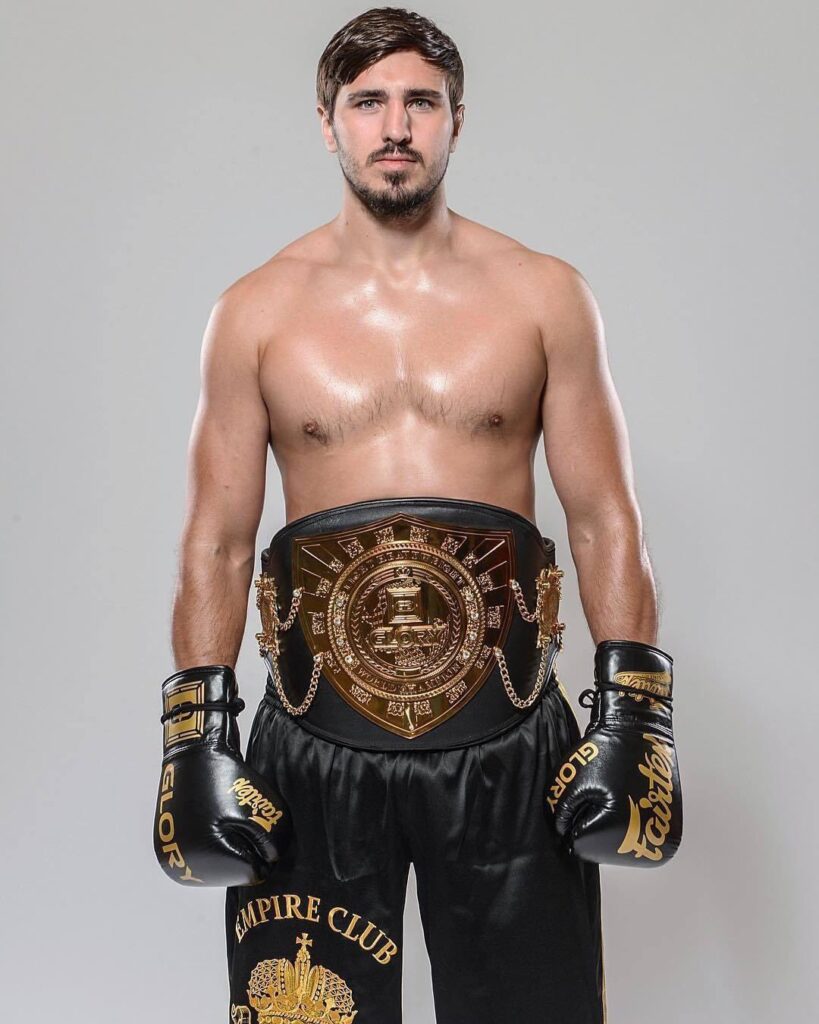
Artem Vakhitov, autre striker d’élite et ancien champion du Glory, a connu un sort similaire. Même après une victoire par KO dans le Contender Series, l’UFC n’a pas su lui proposer un contrat à la hauteur de son statut ou de son potentiel de gains en dehors de l’organisation. L’occasion manquée de construire une rivalité avec Alex Pereira, également issu du kickboxing Glory, montre à quel point l’UFC a peu valorisé le talent au profit des coûts. Une trilogie Vakhitov vs. Pereira dans l’Octogone aurait pu marquer l’histoire de l’UFC, mais cela reste un “et si”.
Saladin Parnasse : Le double champion ignoré
Saladin Parnasse, double champion du KSW et considéré comme l’un des meilleurs poids plumes et légers hors UFC, a lui aussi été laissé de côté. Malgré un palmarès exceptionnel (20-2) et sa quête d’un troisième titre historique, l’UFC a montré peu d’intérêt. Parnasse a préféré la stabilité et le respect du KSW à un parcours incertain et sous-payé avec l’UFC. Son absence souligne cruellement que les meilleurs combattants n’atteignent pas toujours la plus grande scène, surtout si celle-ci refuse de faire un pas vers eux.
Le cas Mokaev : Talent et turbulences
L’histoire de Muhammad Mokaev est complexe. Prospect invaincu originaire du Daghestan, au talent indéniable, il a été écarté de l’UFC après plusieurs problèmes en coulisses. Accusé d’avoir manqué de respect au staff de l’UFC, de performances décevantes et d’une altercation violente après une séance photo avec Manel Kape, son image s’est ternie. Pourtant, beaucoup estiment que la sanction était excessive. À seulement 22 ans, Mokaev était encore en phase de maturation, et le couper complètement pourrait avoir fermé la porte à l’un des avenirs les plus prometteurs du sport. Aujourd’hui, sans organisation majeure prête à le recruter, la décision de l’UFC, motivée par la frustration et l’orgueil, pourrait bien avoir gâché un talent générationnel.
Francis Ngannou : Puissance contre politique
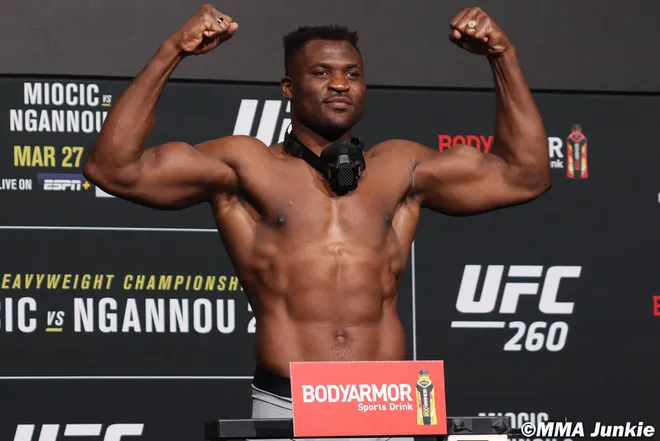
Le conflit entre Francis Ngannou et l’UFC est devenu l’un des feuilletons les plus célèbres du sport. Malgré son titre de champion poids lourd en 2021, Ngannou a été mis de côté lorsque l’UFC a créé un titre intérimaire pour le pousser à accepter un combat qu’il ne souhaitait pas. Ce qu’il voulait était clair : un combat de légende contre Jon Jones. Mais avec un seul combat restant sur son contrat, l’UFC ne voulait pas risquer que Ngannou gagne et parte ensuite. La solution de l’UFC fut de créer un combat pour le titre intérimaire entre Ciryl Gane et Derrick Lewis, remporté par Gane. Après avoir défendu sa ceinture contre Ciryl Gane, Ngannou a quitté l’UFC pour écrire sa propre histoire, gagnant plus d’argent, obtenant un contrôle créatif et trouvant même le succès en boxe et au PFL. La réponse de l’UFC ? L’effacer de leurs archives et de leurs livres d’histoire. Le message est clair : la défiance sera punie. Mais ce faisant, ils ont peut-être aliéné une génération de combattants qui voient en Ngannou la preuve qu’il existe une vie en dehors de l’Octogone. Ngannou a prouvé sa valeur en dehors de l’empire de Dana White. Son courage a mis en lumière l’obsession de l’UFC pour le contrôle au détriment de la compétition.
2024-2025 : L’ascension du favoritisme
Les récentes opportunités pour les titres de l’UFC ont de plus en plus suscité des interrogations. Des décisions basées davantage sur la rentabilité ou les récits que sur le mérite ont nui à l’intégrité compétitive du sport.
- Marlon Vera
Début 2024, l’UFC a controversément offert à Marlon “Chito” Vera une chance au titre des poids coqs malgré une seule victoire récente. Des prétendants bien plus méritants comme Merab Dvalishvili, qui a ensuite dominé et est devenu champion, ou même Cory Sandhagen, ont été complètement ignorés. L’UFC a privilégié l’histoire personnelle entre Vera et le champion en titre Sean O’Malley (issue de la seule défaite en carrière d’O’Malley due à une blessure) plutôt que les classements ou le mérite réel. C’était un cas évident de narration au détriment du sport, et le combat s’est déroulé comme prévu, avec O’Malley dominant un challenger que beaucoup considéraient comme présent uniquement pour conclure une histoire.
- Steve Erceg
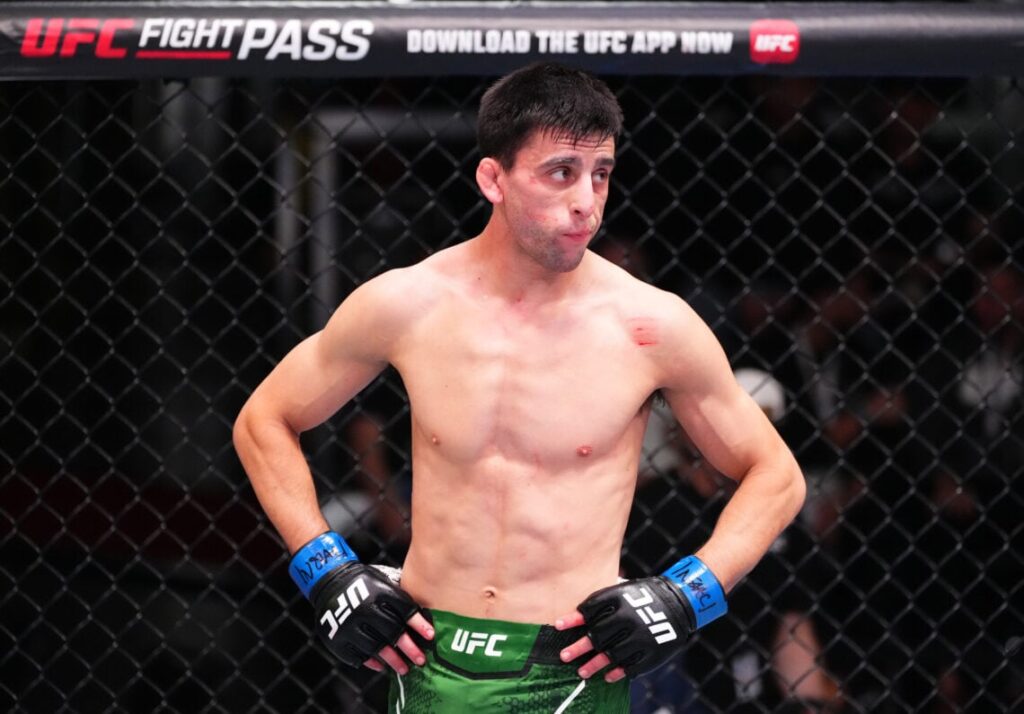
Classé n°11 à l’époque, Steve Erceg a reçu une chance au titre dans une division des poids mouches qui ne manquait pas de prétendants éprouvés. Bien qu’actif et prometteur, Erceg était encore nouveau à l’UFC et n’avait pas fait grand-chose pour justifier une telle opportunité, surtout par rapport à des noms plus établis. Sa performance a prouvé qu’il n’était pas prêt, et sa défaite ultérieure a souligné qu’il avait été propulsé trop tôt. Ce cas a renforcé un schéma croissant à l’UFC : privilégier la rentabilité et la commodité plutôt que la compétition équitable.
- Israel Adesanya
Il est indéniable qu’Izzy a laissé une empreinte. Un striker brillant qui a offert aux fans des moments inoubliables en mettant KO des adversaires redoutés et en récupérant sa ceinture face à Alex Pereira. Mais après avoir perdu contre Pereira, puis de nouveau contre Sean Strickland, Adesanya a reçu une nouvelle chance au titre malgré une seule victoire lors de ses trois derniers combats. L’UFC misait sur sa popularité et ses exploits passés plutôt que sur sa forme actuelle, mais cela n’a pas payé, car il a perdu à nouveau. Bien que les fans n’aient pas beaucoup protesté en raison de son statut dans le sport, le favoritisme était évident. L’UFC a mis les profits avant le mérite, espérant que le nom d’Izzy se vendrait, mais cela s’est retourné contre eux.
4. Khalil Rountree
Malgré le fait que Magomed Ankalaev était clairement le prétendant numéro 1 chez les poids mi-lourds et qu’il est finalement devenu champion, l’UFC a accordé l’opportunité à Khalil Rountree, alors classé numéro 8. Bien que Rountree ait enchaîné quelques victoires, aucun des adversaires qu’il a battus n’était considéré comme un combattant d’élite. De son côté, Ankalaev avait vaincu des adversaires qui avaient déjà mis Rountree KO. L’UFC semblait vouloir protéger Alex Pereira d’un duel défavorable sur le plan stylistique contre Ankalaev, en lui opposant un adversaire plus abordable en la personne de Rountree. Mais une fois de plus, ce plan a échoué. Pereira a certes gagné, mais Rountree l’a mis en difficulté, et c’est finalement Ankalaev qui a pris la ceinture.
5. Stipe Miocic
Stipe est une légende des poids lourds, considéré par beaucoup comme le plus grand de l’histoire de la catégorie, avec trois défenses de titre. Mais lui offrir une chance au titre à 42 ans, après trois années d’inactivité et une lourde défaite par KO contre Francis Ngannou en 2021, n’était pas justifiable d’un point de vue sportif. C’était une manœuvre de l’UFC visant à construire l’héritage de Jon Jones chez les lourds, en le faisant battre une icône en déclin. Dans le même temps, l’actuel champion intérimaire, Tom Aspinall, a été totalement écarté, un privilège jamais accordé à Ngannou lorsqu’il était champion. Stipe n’avait pas combattu depuis trois ans, était visiblement en semi-retraite, et pourtant, l’UFC a refusé de retirer le titre à Jones ou de l’obliger à défendre contre Aspinall. Le favoritisme était flagrant, et cela a souligné à quel point l’UFC privilégie la narration et la loyauté au détriment du mérite, surtout avec les combattants qu’elle ne contrôle pas pleinement, comme Ngannou.
6. Manel Kape
Manel Kape accumule discrètement les victoires et les finitions depuis son arrivée à l’UFC, avec notamment deux KO consécutifs contre Bruno Silva et Asu Almabayev, alors invaincu. Pourtant, Kape reste écarté de la course au titre. Ironiquement, Kai Asakura, qu’il avait mis KO au RIZIN, a fait ses débuts à l’UFC l’an dernier et a immédiatement obtenu un combat pour le titre contre Pantoja. Résultat : Asakura a été soumis au deuxième round, et Kape a assisté à cela depuis les tribunes. Plus frustrant encore, la seule défaite récente de Kape est une décision serrée contre Muhammad Mokaev, un adversaire bien plus crédible que ceux ayant obtenu des opportunités pour le titre. C’est un rappel brutal qu’à l’UFC, le timing, la mise en marché et la narration priment souvent sur le niveau, le parcours et le mérite.
Donner l’opportunité à O’Malley au lieu de Petr Yan (2025)
Nous sommes en 2025, et avec du recul, il est difficile de ne pas s’interroger sur la manière dont l’ascension de Sean O’Malley a été gérée. En 2023, O’Malley a affronté Petr Yan et l’a battu par décision, une décision si controversée que seuls les trois juges présents semblaient y croire. Les fans, les combattants et les analystes voyaient Yan largement gagnant, mais cela n’a pas empêché l’UFC de propulser O’Malley vers le sommet.
Au lieu d’obtenir immédiatement une chance au titre, O’Malley a attendu près d’un an avant d’affronter Aljamain Sterling, diminué physiquement après avoir défendu son titre contre Henry Cejudo trois mois auparavant. Malgré ses inquiétudes, Sterling a été ignoré et publiquement critiqué par Dana White, qui a estimé qu’il ne devait pas évoquer son état de santé avant un combat. Résultat : un Sterling visiblement diminué a été mis KO au deuxième round, et O’Malley est devenu champion dans des circonstances contestables.
Sa première défense a eu lieu contre Marlon Vera, un adversaire jugé peu méritant et que l’UFC savait favorable à O’Malley, étant donné que la première victoire de Vera était due à une blessure. Ensuite est venu Merab Dvalishvili, qui a dominé O’Malley pendant cinq rounds, allant jusqu’à embrasser son dos lors d’un takedown, ridiculisant ce qui devait être un combat compétitif pour le titre. Et pourtant, O’Malley obtient une nouvelle chance à l’UFC 316. L’obsession de l’UFC pour “Sugar” se poursuit, et seul l’avenir dira si Merab parviendra à briser ce cycle.
Ne pas annoncer Jon Jones vs Tom Aspinall
Jon Jones a enfin fait son retour après une longue absence due à une blessure et a battu Stipe Miocic. Très bien jusque-là, mais ce qui a suivi a été franchement frustrant. Au lieu d’unifier son titre avec celui du champion intérimaire Tom Aspinall, Jones l’a complètement ignoré.
Au départ, il voulait un superfight contre Alex Pereira, mais ce plan est tombé à l’eau après que Pereira a perdu sa ceinture face à Magomed Ankalaev.
Avec Pereira hors jeu, le combat logique était Aspinall. Mais Jones a hésité, mettant en doute la notoriété de ce dernier. Avant même d’affronter Stipe, Jon avait laissé entendre que Curtis Blaydes battrait Aspinall. Ce à quoi Aspinall a répondu en mettant Blaydes KO en moins de 90 secondes, défendant son titre intérimaire de manière éclatante.
Les fans se demandent donc : pourquoi l’UFC ne force-t-elle pas cette unification ? À l’époque, Francis Ngannou avait dû affronter Ciryl Gane pour unifier les ceintures. Pourquoi Jon Jones peut-il retarder les choses sans conséquences ? Plus ça traîne, plus cela nuit à l’image de l’UFC et à l’héritage de Jon Jones.
Ne pas annoncer Topuria vs Islam
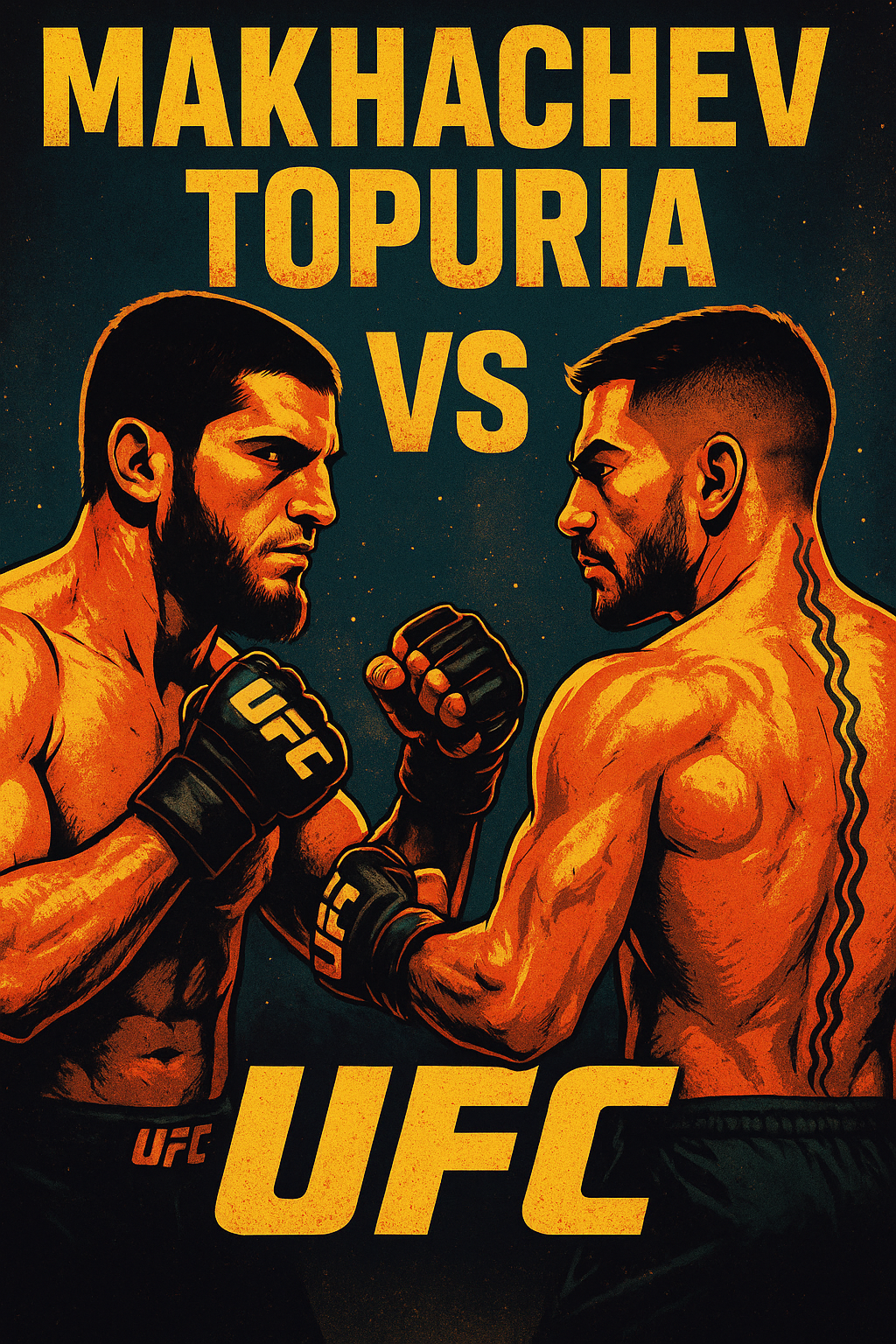
Ilia Topuria vs Islam Makhachev devrait être le combat à faire en ce moment. Il y a de la tension, un vrai historique, possiblement accentué par les tensions entre la Russie et la Géorgie, et les styles de combat se répondent parfaitement.
Après une défense de ceinture chez les poids plumes, Topuria a décidé de la laisser vacante pour monter de catégorie tellement il voulait ce combat contre Islam.
Et il l’a mérité. En 2024, il a enchaîné deux KO contre Alexander Volkanovski et Max Holloway, un exploit que personne n’avait réussi avant lui.
De l’autre côté, Justin Gaethje, l’autre prétendant potentiel n’a qu’une victoire récente à son actif et a été mis KO par Holloway juste avant.
Islam vs Topuria est donc le choix logique, mais l’UFC n’a encore rien annoncé. Pourtant, Topuria affirme qu’on lui a promis ce combat en échange de l’abandon de sa ceinture. À la place, on commence à craindre que l’UFC préfère offrir l’opportunité à Gaethje. Et quand on regarde l’historique, ce ne serait pas surprenant.
Ne pas offrir le title shot à Evloev, mais à Diego Lopes
Movsar Evloev est l’un des combattants les plus réguliers et dominants de la division featherweight. Invaincu et sur une longue série de victoires, il avait déjà battu Diego Lopes lors des débuts de ce dernier à l’UFC.
Malgré ce précédent et les performances solides d’Evloev, c’est Lopes qui a eu l’opportunité de combattre pour le titre à l’UFC 314.
Lopes a su séduire grâce à son style offensif et à sa personnalité médiatique, mais lorsqu’il a affronté Alexander Volkanovski, il a perdu nettement par décision unanime.
Evloev, lui, reste écarté de la course au titre, bien qu’il ait déjà battu celui qu’on lui a préféré. Ce cas illustre une dérive inquiétante : les résultats sportifs pèsent parfois moins que l’image dans les choix de l’UFC.
Donner la chance à Strickland au lieu de Khamzat
Après avoir littéralement démoli Robert Whittaker , Khamzat Chimaev semblait être le prochain challenger logique.
Mais à la surprise générale, l’UFC a préféré offrir à Sean Strickland une revanche contre Dricus Du Plessis.
Ce n’était pas un choix scandaleux, mais c’était bien moins attrayant que Khamzat vs Dricus. Et le combat lui-même ? Un flop total. Dricus a dominé Strickland dans un affrontement terne.
L’UFC est passée à côté d’un choc bien plus spectaculaire.
Faire affronter Petr Yan à Umar Nurmagomedov
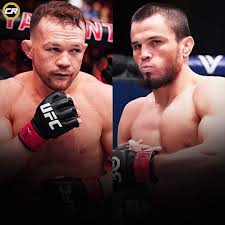
Petr Yan, ancien champion des bantamweights, a bataillé dur pour revenir dans la course au titre avec des victoires méritées face à des adversaires de haut niveau.
Malgré cela, l’UFC lui a réservé Umar Nurmagomedov , un jeune talent parmi les plus redoutés de la catégorie.
Umar avait déjà eu sa chance contre Merab Dvalishvili, mais avait échoué. Il reste néanmoins un adversaire à très haut risque.
Plutôt que de donner à Yan un combat pour le titre, on l’a mis dans une position délicate : risquer gros, gagner peu.
Et pourtant, un combat Umar vs Sean O’Malley aurait eu plus de sens : les deux sortent d’une défaite face à Merab, et le vainqueur aurait logiquement mérité une nouvelle chance.
Au lieu de ça, l’UFC a directement redonné un title shot à O’Malley.
L’engorgement au sommet des divisions
Un problème récurrent dans plusieurs catégories : l’UFC privilégie souvent la popularité au mérite sportif.
Quand des combattants méritants sont écartés au profit de noms plus vendeurs, cela crée des embouteillages.
Les athlètes restent inactifs, les affrontements logiques sont retardés, et l’élan est perdu.
La compétition perd en crédibilité lorsque les décisions de matchmaking reposent sur le marketing plutôt que sur le sport.
Poirier vs Holloway 3
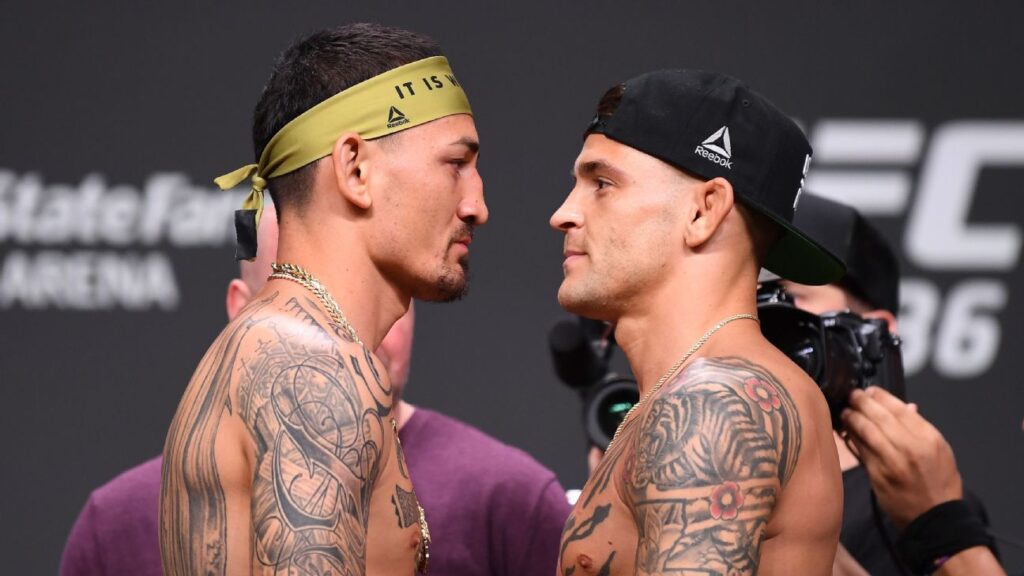
Programmer un troisième affrontement entre Max Holloway et Dustin Poirier est difficile à justifier. Poirier a remporté les deux premiers combats, et celui-ci serait censé être son combat de retraite.
Le faire finir sa carrière sur une trilogie déjà conclue semble discutable.
Il y avait d’autres options bien plus pertinentes.
Un Poirier vs Gaethje 3 avec une égalité d’une victoire partout, aurait été logique et excitant.
Un Holloway vs Oliveira 2 aurait aussi offert une revanche utile pour la suite de la division.
Mais l’UFC a opté pour un combat au poids symbolique, sans réelle signification sportive.
UFC Africa : Toujours une promesse
Depuis 2021, l’UFC parle d’un événement historique en Afrique, lorsque Francis Ngannou est devenu le troisième champion africain, rejoignant Kamaru Usman et Israel Adesanya.
À ce moment-là, tout semblait réuni : trois champions, un continent, une occasion unique de marquer l’histoire.
Dana White a promis cet événement à plusieurs reprises, y compris en 2024 où il affirmait que cela se ferait en 2025.
Mais aujourd’hui, en pleine année 2025, aucune date, aucun lieu, aucune promotion n’a été annoncée.
Et pourtant, l’UFC a les moyens, les stars, l’infrastructure.
C’est d’autant plus flagrant quand on repense à Don King, qui avait réussi à organiser The Rumble in the Jungle en 1974, au Zaïre, dans des conditions bien plus complexes.
L’UFC aime se présenter comme la meilleure machine de promotion du sport de combat… mais elle n’a toujours pas tenu parole, malgré les années.
Conclusion
L’UFC reste la plus grande organisation de MMA au monde. Mais les tendances récentes montrent une dérive : on valorise davantage la popularité que le mérite, on privilégie les coups médiatiques au détriment de l’équité.
En mettant de côté des talents internationaux, en appliquant des règles à deux vitesses, et en mettant les profits avant la performance, l’organisation risque de perdre à la fois la confiance des combattants et celle des fans.
Cela dit, rien n’est perdu.
Les failles deviennent de plus en plus visibles. Et c’est justement cette prise de conscience qui peut provoquer le changement.
Si l’UFC veut préserver sa domination et son héritage, elle doit revenir à ses racines : où les meilleurs affrontaient les meilleurs, où la grandeur se méritait dans la cage, pas sur les réseaux.
Les combattants le méritent. Les fans le méritent. Et le sport, lui, mérite mieux.
Le déclin n’est pas inévitable, mais s’il n’y a pas de correction, les graines du déclin sont peut-être déjà semées.